Natural Cycles - Birth Control
- 4.4
- Rating
- 1.00M
- Installs
- Free
- Price

 Analysis by App-foxy
I approached Natural Cycles as a practical medical app rather than another calendar for marking periods. Developed by Natural Cycles AG, it is designed around fertility awareness, with the aim of helping people understand fertile and non-fertile days for birth control or pregnancy planning. The app is free to install, carries a Mature 17+ rating, and is available for devices running at least iOS or Android version 12. My overall impression is that it can be useful for someone willing to build a careful daily routine, but it is not a casual “set it and forget it” solution.
The distinction matters. A conventional period calendar mainly records bleeding and estimates what may happen next. This app asks you to treat fertility tracking as an ongoing process. That makes it more involved than many cycle apps, yet potentially more meaningful for someone who wants to make decisions from recorded body data instead of relying only on a predicted period date.
How the app fits into everyday fertility tracking
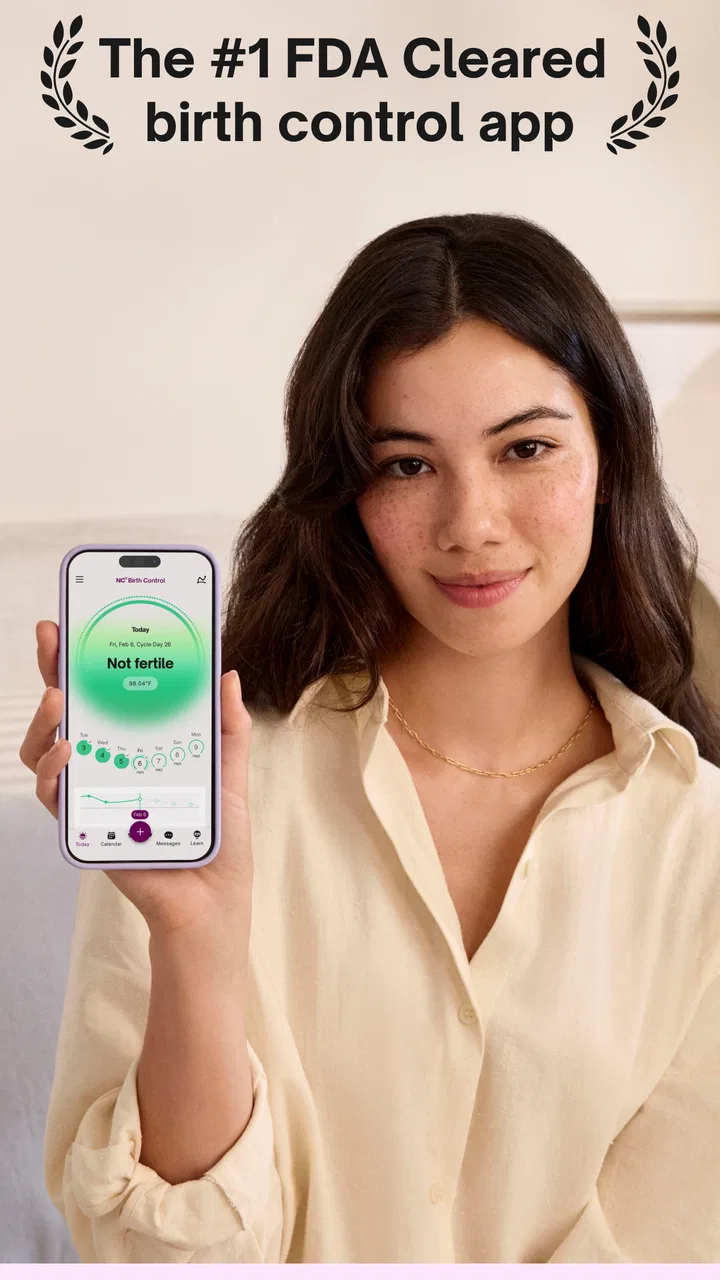
The app belongs to the medical category, and that description feels more appropriate than calling it a general wellness diary. Its store summary presents it as an FDA-cleared fertility and ovulation tracker for birth control and pregnancy. That wording sets a higher expectation than a basic cycle calendar: the app is intended to support an important personal decision, so consistency and careful reading matter as much as interface convenience.
You May Also Like

 Blood Strike: 2.5 Anniversary
Blood Strike’s Loadouts Turn Every Drop Into a Tactical Gamble
A close look at Blood Strike’s custom loadouts: how fast access to signature weapons reshapes its battle royale rhythm, rewards preparation, and narrows the gap between fights.

 Pandora - Music & Podcasts
Pandora’s Music Is Easy to Start, but Harder to Recover
Pandora’s strength is its low-effort path from a seed to a station. Its weak spot is how much confidence it asks you to place in connection, setup, and quiet recovery.

 8 Ball Pool
 Is Built on Rivalries, Rematches, and Routine
A close look at the rivalries, rematches, shared routines, and unanswered safety questions that turn a quick pool match into a persistent mobile community.

 Samsung Music
’s Quiet Strength Is Playing What You Already Own
Its reach comes less from spectacle than from dependable access to a personal library. That simplicity is both the app’s strongest retention engine and its ceiling.

 AccuWeather: Weather Radar
AccuWeather Review: A Quick, Clear Forecast for Everyday Decisions
For everyday plans, the best forecast is the one you can understand quickly. AccuWeather makes rain timing, radar, and local conditions easy to act on, with a few trade-offs.

 Hill Climb Racing
Why Hill Climb Racing Still Turns Crashes Into One More Run
A tiny car, a bumpy hill and one more upgrade: Hill Climb Racing keeps resurfacing because its simple chaos makes every near-miss feel personal.
More From Our News Desk
View All News


In daily use, I would think of it as a routine with three parts: entering the relevant information, checking the result for the day, and acting responsibly on that result. The first part is easy to underestimate. A fertility method based on personal observations cannot be more reliable than the information entered into it. If you skip days, record something incorrectly, or treat an estimate as a guarantee, the polished interface cannot repair that gap.
That is one of the app’s most important practical lessons. It does not remove the need to pay attention to your body or to make deliberate choices. Instead, it organizes the information so that a user can see a clearer picture of changing fertility patterns. For pregnancy planning, that can help focus attention on the days that matter most. For birth control, it requires more discipline because the consequence of casually ignoring a fertile-day indication can be significant.
The app is also a better match for people who want one place for fertility-related tracking than for people who only want a monthly reminder. Someone who has irregular cycles, changing routines, or a desire to learn more about their own patterns may appreciate the broader approach. At the same time, those same situations can make interpretation more demanding, so I would not mistake a more detailed record for an automatic answer to every reproductive-health question.
The first-week experience is about building a habit
The most realistic way to start is to choose a consistent moment for checking the app, such as after waking up or during an evening wind-down. The exact time matters less than making the action repeatable. I would keep the phone and any tracking equipment used with the method in the same place, because small bits of friction are enough to turn a daily habit into an occasional one.
A useful workflow is to enter information before opening the wider calendar view. That encourages you to treat the current result as the outcome of a routine rather than browsing predictions first and looking for confirmation afterward. I also recommend reading the app’s guidance carefully during setup instead of rushing through it. The difference between understanding a fertile-day indication and merely noticing a color or symbol is important when the app is being considered for birth control.
One non-obvious advantage of this approach is that it can make gaps in your own routine visible. If you repeatedly forget entries on busy mornings, the problem is not necessarily the app’s design; it may be the timing of the habit. Moving the routine to a quieter part of the day can improve the quality of your record without changing anything about the app itself. That is a small adjustment, but it is more useful than repeatedly blaming the prediction when the underlying log is incomplete.
Another practical tip is to separate “tracking for learning” from “tracking for a decision.” During the first period of use, I would focus on learning how the app presents information and how reliably I can maintain the routine. I would not immediately assume that a few entries are enough to support a major decision. That cautious start is especially sensible for anyone switching from a hormonal method, dealing with unusual cycles, or feeling unsure about how to interpret the daily guidance.
Birth control and pregnancy planning require different mindsets
For birth control, the app’s value comes with responsibility. You need to check the current guidance, understand what it means, and follow the recommended approach on days when pregnancy is possible. The app can organize the information, but it cannot make the decision for you or remove the need for communication with a partner. If you know that you will ignore notifications, forget entries, or prefer a method that works without daily attention, a long-acting or clinician-guided alternative may suit you better.
For pregnancy planning, the experience can feel more encouraging because the purpose is to identify fertile timing rather than avoid it. Even then, I would avoid treating the app as a promise of conception. Fertility is affected by many factors, and a well-maintained tracker is a planning aid, not a diagnosis. If you are worried about fertility, have persistent concerns, or need medical advice, a healthcare professional is the appropriate next step.
This difference between the two use cases is easy to miss when reading a short store description. The same fertility information can support opposite goals, but the user’s behavior changes completely. Someone trying to conceive may use the fertile window to guide timing, while someone avoiding pregnancy must respond to that same window with caution. The app is therefore most valuable when its role is clear before you begin.
What the free access means for value
Natural Cycles is listed as free, so there is no purchase price to weigh when deciding whether to install it. That makes trying the app less financially risky than committing immediately to a paid medical tool. However, “free” should not be confused with effortless value. The real investment is time, attention, and consistency, especially if you want the tracking to support birth control rather than simply provide a rough overview of your cycle.
I would judge the free access by whether it helps you establish a dependable fertility-tracking routine. If you already want to record cycle information and are comfortable checking the app regularly, the barrier to experimenting is low. If you are looking for a completely passive experience, the absence of an upfront price does not solve the main problem: this method still asks for active participation.
The app has reached more than a million installs, with an average rating of 4.4 from around twenty-three thousand ratings. Those figures suggest that many people find the overall experience worthwhile, but they do not guarantee that it will fit your health situation or tolerance for daily tracking. I would use the rating as a reason to investigate further, not as a substitute for reading the instructions and considering whether fertility awareness suits your needs.
Its current version is 5.8.4, which is useful context when comparing advice from older discussions or screenshots. App interfaces and workflows can change, so I would rely on the guidance inside the current installation rather than assuming that a review, video, or forum comment describes exactly what you will see. The developer is Natural Cycles AG, and the app’s medical positioning makes it particularly important to keep that distinction between personal experience and official guidance in mind.
Where the experience is strong
The strongest part of the concept is the way it turns scattered observations into a decision-oriented fertility record. Many ordinary period calendars are comfortable for predicting the next bleed, but they can encourage users to focus on dates rather than fertility. This app is more useful when your question is, “What does my current fertility pattern mean for my goal?” rather than simply, “When should my period arrive?”
I also like the possibility of using it as a shared conversation starter with a partner. The app does not replace communication, but a clearer understanding of fertile and non-fertile days can make planning less vague. For someone trying to conceive, that may reduce the habit of guessing from a generic calendar. For someone avoiding pregnancy, it can encourage a more deliberate discussion about protection on days when extra care is needed.
A further strength is educational rather than technical: regular tracking can help you notice how your personal cycle behaves instead of assuming that a standard cycle length applies to you. That insight can be valuable even if you later decide that another contraceptive option is more suitable. You may learn that you prefer the awareness gained from tracking but not the responsibility of using fertility awareness as your primary birth-control method.
There is also a useful distinction between a prediction that looks precise and information that is genuinely dependable. A calendar can display a neat date range even when your entries are sparse. A fertility-focused app encourages a more cautious relationship with uncertainty because the daily result is connected to the quality and continuity of your tracking. That does not make every result perfect, but it can discourage false confidence created by a simple monthly estimate.
Limits, friction, and situations that need extra care
The main limitation is the daily commitment. People with unpredictable schedules, frequent travel, interrupted sleep, or a tendency to abandon health routines may find the method frustrating. A missed or unreliable observation is not just an empty box in a calendar; it can affect how confidently you should interpret the surrounding days. This is why I would not recommend choosing the app solely because it is free or popular.
Irregular cycles can also make the experience feel less straightforward. A tracker may still be useful for recording what happens, but the user may see more variation and need more patience before the information becomes personally meaningful. If your cycle changes because of medication, illness, postpartum recovery, or another health circumstance, it is sensible to ask a clinician how much weight to place on app-based fertility guidance.
Privacy is another point I would consider before entering sensitive health information into any medical app. I would read the current privacy and account terms in the app or store before creating a detailed record, especially if you share a phone or use cloud-connected services. That is not a criticism unique to this product; it is simply a necessary part of choosing any digital fertility tool.
The Mature 17+ rating also signals that this is not intended as a child-focused app. That seems appropriate given the subject matter, but it is worth remembering if the device is shared with younger family members. The rating does not tell you whether the method is personally appropriate, so age alone should never be the deciding factor for using it as birth control.
I would also avoid using the app as a diagnostic instrument. A tracker can help you organize observations and prepare better questions for a doctor, but it should not be treated as proof that everything is medically normal. Persistent pain, unusually heavy bleeding, sudden changes, or concerns about fertility deserve professional attention. In those cases, the app may be useful as a record to bring to an appointment, but not as a replacement for care.
Who is likely to get the most value
I see the best fit in an adult who wants a non-hormonal, data-informed way to understand fertility and is prepared to follow a routine. It may suit someone planning a pregnancy, someone considering fertility awareness as part of birth-control decisions, or someone moving away from a basic period calendar and wanting a more focused view of ovulation. The free entry point makes it reasonable to explore without first paying for access.
A realistic everyday scenario would be a person who wakes at different times during the week and often rushes out of the house. Rather than abandoning the method after several missed entries, I would suggest creating a backup routine: record the required information at the first calm moment of the day, review the result before making any fertility-related decision, and keep the process separate from casual calendar browsing. If that still feels too difficult after an honest trial, the issue is probably fit rather than motivation.
It may also help a couple who wants to understand fertile timing without relying on a generic “average” cycle. One person can maintain the record while both partners discuss what the result means for their goal. That shared understanding is more valuable than simply sending a screenshot, because the app cannot decide how the couple should respond on a fertile day.
On the other hand, I would skip it as a primary solution if you need contraception that requires little or no daily attention, if you are uncomfortable making decisions from fertility observations, or if your current health situation makes cycle interpretation unusually complicated. Someone who wants a clinician-managed contraceptive plan may be better served by speaking with a healthcare professional about alternatives. Likewise, someone who only wants period reminders may find a simpler calendar easier to maintain.
My buy-or-skip verdict
Because the app is free to install, my verdict is not about whether the entry price is justified; it is about whether the routine is worth your time and responsibility. I would recommend trying Natural Cycles if you genuinely want fertility awareness, understand that the app is a guide rather than a guarantee, and are willing to check and record information consistently. Its FDA-cleared positioning and medical focus make it more relevant to serious fertility tracking than a basic period calendar, but they do not remove the need for careful use.
I would skip it if you are hoping for an automatic answer, a diagnostic service, or a contraceptive method that works without your daily involvement. The app’s strongest feature is also its central demand: it asks you to participate. That trade-off is reasonable for the right user and inconvenient for the wrong one.
My final recommendation is to begin slowly, read the in-app guidance, establish a dependable routine, and judge the experience by how confidently you can follow it rather than by how attractive the calendar looks. For pregnancy planning, it can offer a structured way to focus on fertile timing. For birth control, treat every indication with appropriate seriousness and seek professional advice when your circumstances are complex. The best value here comes from informed, consistent use—not from simply having the app installed.
FAQs for Natural Cycles - Birth Control
01What is Natural Cycles, and how does it work?
Natural Cycles is a fertility-awareness app designed to help users identify fertile and non-fertile days by analyzing daily body temperature readings and menstrual-cycle information. The app uses an algorithm to estimate ovulation and displays a daily fertility status. It is intended for contraception or pregnancy planning, but users must follow the instructions carefully and record measurements consistently for the results to be useful.
02How effective is Natural Cycles as birth control?
Natural Cycles is marketed as a contraceptive method when used exactly as directed, but its effectiveness depends heavily on accurate temperature measurements, regular data entry, and following the app’s daily guidance. No birth-control method is completely effective, and mistakes, illness, irregular schedules, or missed readings can affect predictions. Users should review the official effectiveness information and consider backup protection on fertile or uncertain days.
03Do I need a special thermometer to use Natural Cycles?
You need a suitable basal body temperature thermometer to use Natural Cycles properly. Depending on your region and subscription, the service may support or include a compatible smart thermometer that automatically transfers readings to the app. A regular thermometer may not always provide the required precision. Before downloading or subscribing, check device compatibility, measurement requirements, and whether the recommended thermometer is available in your country.
04Can Natural Cycles be used with irregular periods, after childbirth, or while breastfeeding?
Natural Cycles may be used by people with different cycle patterns, but irregular periods, postpartum hormonal changes, breastfeeding, stopping hormonal contraception, illness, travel, and disrupted sleep can make fertility predictions more difficult. The app may show more uncertain or fertile days during these situations. It is important to provide accurate information and consult a healthcare professional if you are unsure whether this method is appropriate for you.
05Is Natural Cycles suitable for everyone, and does it protect against sexually transmitted infections?
Natural Cycles may not be suitable for everyone, particularly those who cannot take consistent temperature readings or who need highly reliable contraception without user-dependent tracking. It also does not protect against sexually transmitted infections. Condoms are still important when STI prevention is needed. Before relying on the app for birth control, discuss your health history, reproductive plans, and contraceptive needs with a qualified healthcare provider.
Pros
- FDA-cleared contraceptive option using daily temperature tracking.
- No hormones
- making it suitable for users avoiding hormonal birth control.
- Works with compatible smart rings for more convenient overnight measurements.
- Provides cycle insights
- fertile-window estimates
- and period predictions.
- Can support pregnancy planning when switching the app’s mode.
Cons
- Requires consistent daily measurements and accurate data entry.
- Fertile days require condoms or abstinence to prevent pregnancy.
- Subscription fees may be expensive compared with one-time options.
- Illness
- irregular sleep
- or travel can affect temperature readings.
- Does not protect against sexually transmitted infections.

Natural Cycles - Birth Control
Gallery